Peace River Valley: A Lost Landscape remembered

Peace River Valley: A Lost Landscape remembered
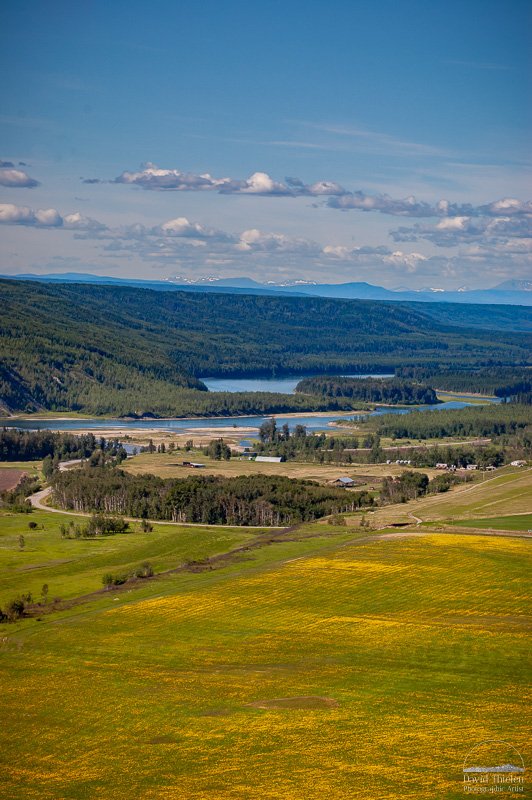
View of the Peace River Valley from a Highway 29 lookout in 2006, showing lush terrain that is now submerged due to the Site C dam project.
 

Peace River Valley:
A Lost Landscape Remembered

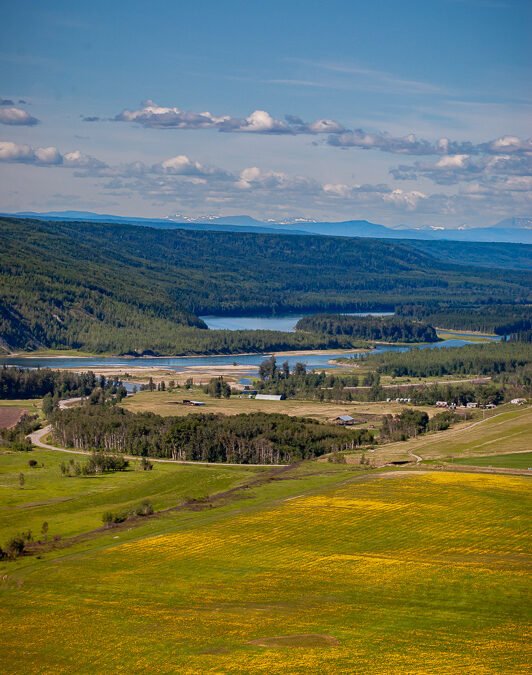
Photo Date: July 22, 2006, 3:50 p.m. Camera: Nikon D70s with 80–200mm f/2.8 lens at 80mm Location: Highway 29 between Fort St. John and Hudson’s Hope, British Columbia This image was created on assignment for a newspaper article about the proposed Site C dam, long before construction began. The goal was to document the landscape — to show what was at risk of being submerged if the project moved forward. Photographed at 3:50 p.m. on July 22, 2006, using a Nikon D70s with an 80–200mm f/2.8 lens at 80mm, the image captures a moment in time that can no longer be replicated. In the foreground is a canola field nearing the end of its blooming stage, patches of yellow still scattered through the green. The middle ground holds a quiet farmyard, then a thick tree line that traces the edge of the Peace River valley. Beyond that, distant mountain ridges rise below long rows of white, fluffy clouds. This was part of a deliberate effort to record what would be lost — not just in terms of land, but of lived experience, heritage, and natural beauty. That entire valley — the farmland, trees, and historic terrain — is now submerged beneath the Site C reservoir. The location is part of a stretch of Highway 29 that I’ve always rated as one of the top three drives in the world. The other two: Highway 6 between Waterton and Pincher Creek, and State Route 20 through the North Cascades in northern Washington. This drive along the Peace River offered The photo is from the Peace River Rest Area, abou 29 km from Fort St John and giving a expansive view of the valley. Today, with the Site C dam complete, the geography has changed forever. This photograph remains one of the few intentional efforts I made simply to preserve the truth of a place before it disappeared.
House Wren: The Backyard Singer You Should Notice

House Wren: The Backyard Singer You Should Notice


📸 Photo of the Day: Little Bird, Big Song

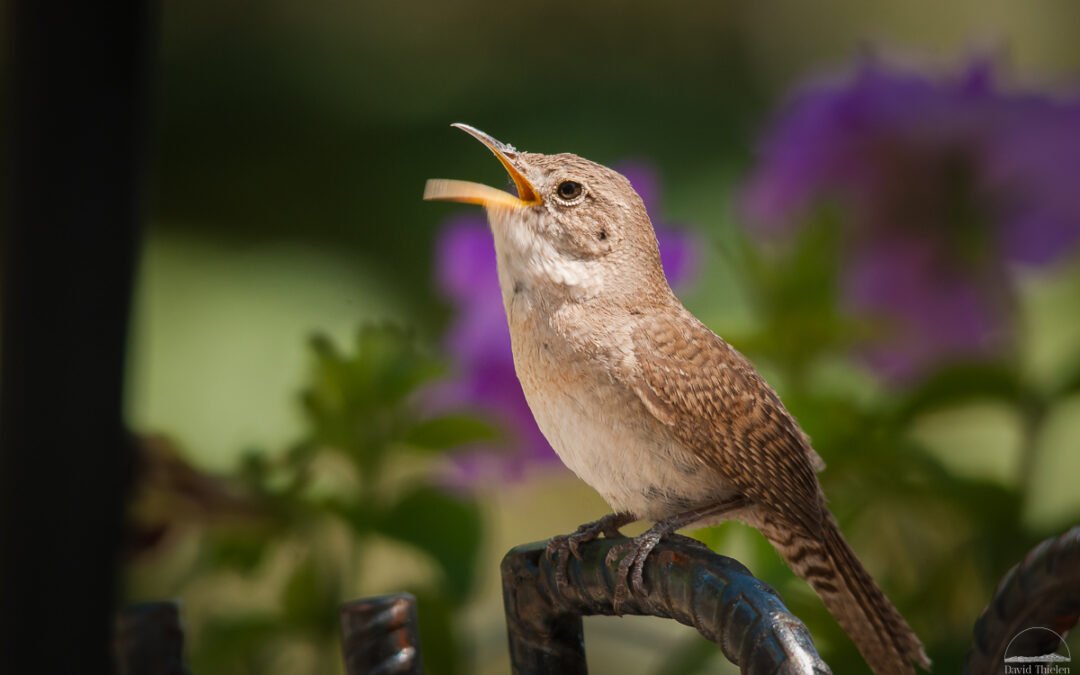
Snapped this one early this morning — a house wren, mid-verse, letting the world know he’s alive and well. These little birds are something else. No bigger than a handful of dry leaves, but when they get to singing, you’d swear it was a bird twice their size.

This fella had perched himself on an old fence post out back and was just going to town. I caught him with his beak wide open, throat puffed out, and you can practically hear the note hanging in the air just looking at the photo. I’ve said it before, but there’s a kind of honesty in those small, everyday things most folks walk right past.

House wrens aren’t fancy. They don’t have flashy colors like cardinals or bluebirds. Just plain little brown birds with a stubborn streak a mile wide. But what they lack in size and show, they more than make up for in personality. And song. Lord, can they sing.

They’ve got this cheerful, rambling little tune that’ll fill up the whole yard if you let it. Always sounds a little like they’re bragging about something, but in a way you can’t be mad at. I read somewhere they’ll sing over 400 different variations of their song. Seems about right for a bird with that much spunk.

If you’ve got a backyard or a patch of trees nearby, keep an ear out. They’re good neighbors to have around. Feisty little bug-eaters with a whole lot of voice for their size.

Anyway — just thought it was a good reminder that you don’t have to look far or spend a dime to find something worth noticing. It’s right there in the trees, on the fence post, or perched up on a wire, singing its heart out like it owns the place.

Got a photo like this? Send it my way. I’ll gladly share it here. Always room for another good story.